
Andalucía is home to several UNESCO World Heritage Sites that are must-visit destinations for any traveller. From ancient cities and historic monuments to natural parks and unique cultural practices, Andalucía offers a wealth of experiences. Here’s a guide to all the World Heritage Sites in this enchanting region.
Alhambra, Generalife, and Albayzín (Granada)
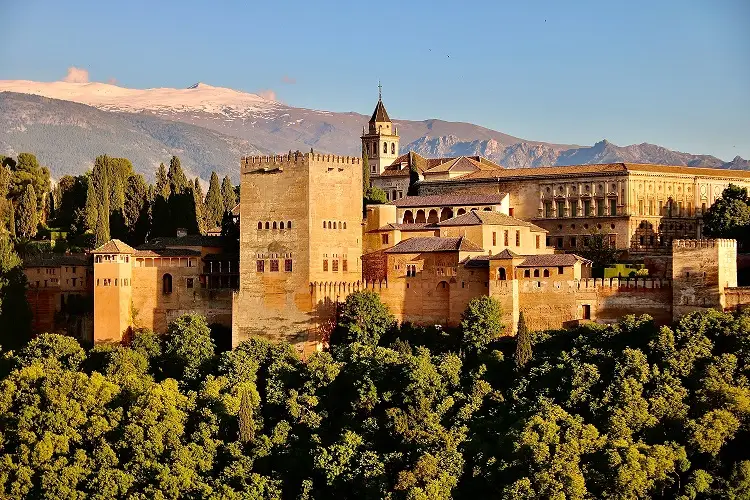
The Alhambra, Generalife, and Albayzín in Granada are perhaps the most iconic of Andalucía’s World Heritage Sites. The Alhambra is a stunning palace and fortress complex that epitomizes Moorish architecture. It was the residence of the Nasrid sultans and showcases intricate Islamic art and lush gardens. The Generalife, the summer palace of the Nasrid rulers, is known for its beautiful terraced gardens and water features.
Adjacent to the Alhambra is the Albayzín, a historic district that retains its medieval Moorish past. Its narrow, winding streets, white-washed houses, and spectacular views of the Alhambra and Sierra Nevada mountains make it a captivating area to explore.
Cathedral, Alcázar, and Archivo de Indias (Seville)
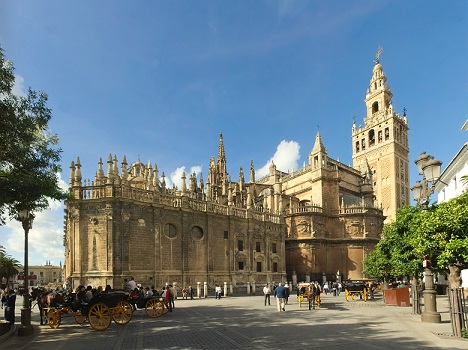 Seville’s Cathedral, Alcázar, and Archivo de Indias are collectively designated as a World Heritage Site, reflecting the city’s rich history and architectural grandeur. Seville Cathedral is the largest Gothic cathedral in the world and houses the tomb of Christopher Columbus. Its Giralda tower, originally a minaret, offers panoramic views of the city.
The Alcázar of Seville is a royal palace originally developed by Moorish Muslim kings. It is renowned for its stunning Mudejar architecture, beautiful gardens, and intricate tilework. The Archivo de Indias is an archive that contains valuable documents relating to the Spanish colonization of the Americas, providing a fascinating insight into this pivotal period in history.
Historic Centre of Córdoba
 Córdoba’s historic center is a testament to the city’s diverse cultural heritage. The most famous monument here is the Mezquita-Catedral, a mosque that was converted into a cathedral. Its forest of columns and red-and-white-striped arches create a mesmerizing interior. The historic center also includes Roman bridges, Jewish quarters, and charming patios adorned with flowers, particularly during the annual Patio Festival in May.
Renaissance Monumental Ensembles of Úbeda and Baeza
The twin towns of Úbeda and Baeza in the province of Jaén are celebrated for their exceptional Renaissance architecture. Both towns flourished in the 16th century and boast numerous palaces, churches, and public buildings that reflect their historical importance. Úbeda is known for its grandiose Plaza Vázquez de Molina, while Baeza’s Plaza del Pópulo and its cathedral are equally impressive. Walking through these towns feels like stepping back in time to the height of the Spanish Renaissance.
Doñana National Park
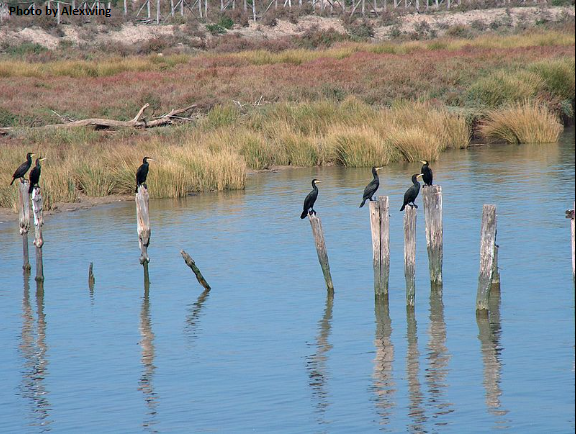 Doñana National Park is one of Europe’s most important wetlands and is recognized for its rich biodiversity. Spanning the provinces of Huelva, Cádiz, and Seville, the park encompasses marshes, dunes, pine forests, and lagoons. It serves as a crucial stopover for thousands of migratory birds and is home to endangered species such as the Iberian lynx and Spanish imperial eagle. Visitors can explore the park through guided tours and witness its unique ecosystems and abundant wildlife.
Antequera Dolmens Site
The Antequera Dolmens Site in Málaga province comprises three megalithic monuments: Menga, Viera, and El Romeral. These ancient burial sites, dating back to the Bronze Age, are among the best-preserved and largest dolmens in Europe. They offer a fascinating glimpse into prehistoric rituals and engineering prowess. The site also includes two natural landmarks, La Peña de los Enamorados and El Torcal de Antequera, which have significant cultural and archaeological importance.
Medina Azahara
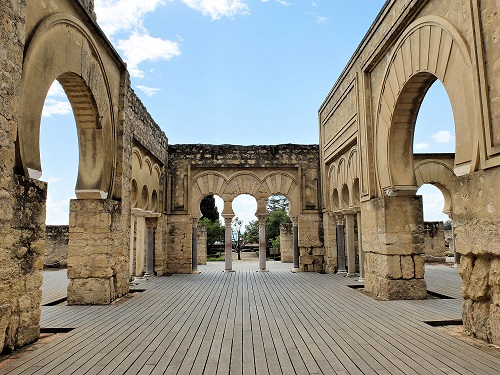 Medina Azahara, located near Córdoba, is the remains of a vast, fortified Arab-Muslim medieval palace-city. Built in the 10th century by the Caliph of Córdoba, it served as the administrative and governmental heart of Al-Andalus. Although it was destroyed in the 11th century, the site’s ruins reveal the grandeur of its palaces, gardens, and mosques. The ongoing archaeological excavations continue to uncover the splendor of this ancient city.
Rock Art of the Mediterranean Basin on the Iberian Peninsula
Scattered across various sites in Andalucía, the Rock Art of the Mediterranean Basin is a collection of prehistoric cave paintings that provide valuable insights into early human life. These sites, found in provinces like Almería and Jaén, feature depictions of hunting scenes, animals, and symbolic figures created by early inhabitants of the region. They are some of the best-preserved examples of prehistoric art in Europe.
Almería Desert
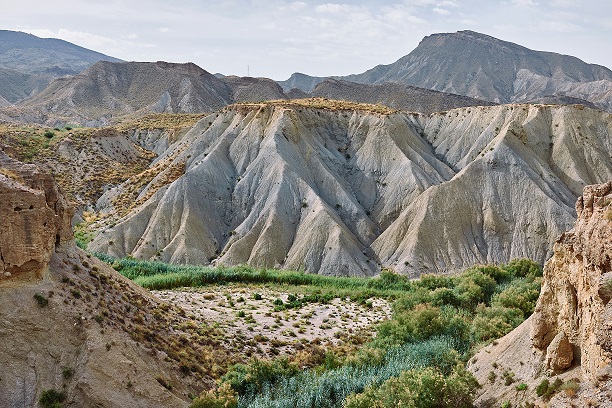
Part of the World Heritage designation for the Rock Art of the Mediterranean Basin, the Almería Desert is a unique natural landscape. It’s the only desert in Europe and has served as a backdrop for numerous films and television series. The desert’s dramatic scenery, combined with its archaeological significance, makes it a fascinating destination for visitors interested in both natural and cultural history.
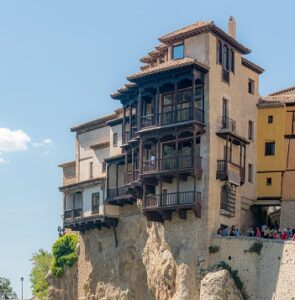
Cuenca – a UNESCO World Heritage site
Cuenca is a UNESCO world heritage site, perched on a steep promontory and is perhaps most well-known as the city