
If you’re looking for a destination in Spain that combines top-tier culture, excellent cuisine, and a relaxed pace of life, Mérida is a safe bet. Capital of Extremadura and a UNESCO World Heritage Site, the city boasts one of the best-preserved Roman complexes in Europe, set in a calm, accessible environment that is still free from mass tourism.
Founded in 25 BC as Emerita Augusta, Mérida was one of the most important cities of the Roman Empire in Hispania. Today, its past is still very much present: theatres, temples, and ancient bridges are part of everyday life, turning a simple visit into an immersive cultural experience.
A heritage that is lived, not just visited
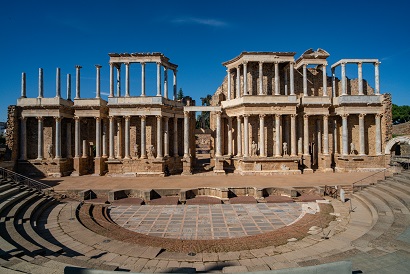
Mérida’s great appeal lies in how easily it allows visitors to travel back in time. The Roman Theatre, one of the best preserved in the world, still hosts performances every summer during the International Classical Theatre Festival— a unique opportunity to enjoy shows on a stage with more than two thousand years of history. Nearby is the Amphitheatre, where gladiator combats once took place.
The Roman Bridge, which crosses the Guadiana River, is one of the oldest surviving bridges from Roman times and offers one of the most pleasant walks in the city, especially at sunset. Right in the city centre, the Temple of Diana shows just how seamlessly Roman remains are integrated into modern-day Mérida.
National Museum of Roman Art: a must-see
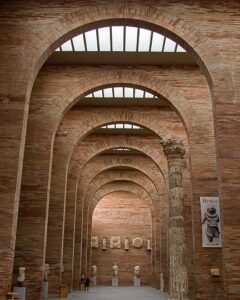 To fully grasp the city’s historical importance, a visit to the National Museum of Roman Art is essential. Designed by architect Rafael Moneo, the museum houses one of the most important Roman collections in Spain, with mosaics, sculptures, and everyday objects that help explain what life was like in a city of the empire. The modern, light-filled building makes the visit comfortable and especially appreciated by international visitors.
Gastronomy and local life
Beyond its historical legacy, Mérida is a pleasant city to enjoy at an unhurried pace. Its historic centre is easy to explore on foot, with lively squares, terraces, and restaurants where you can discover Extremaduran cuisine. The region is known for the quality of its products: Iberian ham, artisanal cheeses, olive oil, and premium meats. In Mérida, it’s easy to find both traditional cooking and more contemporary proposals that highlight these local ingredients.
An ideal base for exploring Extremadura
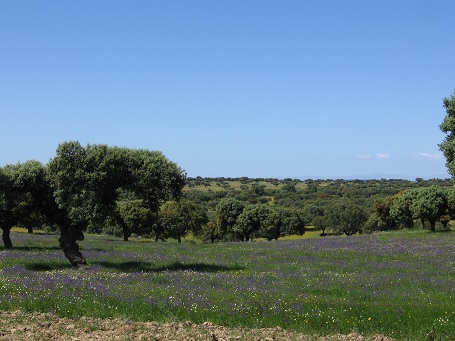
Mérida is also an excellent starting point for discovering Extremadura, one of Spain’s least visited and most authentic regions. Nearby are Cáceres, home to one of the best-preserved medieval old towns in Europe, and Trujillo, a monumental city with a history closely linked to the Spanish conquistadors. For nature lovers, the surrounding area offers open landscapes, dehesas, reservoirs, and protected natural spaces ideal for hiking, birdwatching, and rural tourism.
Why choose Mérida
At a time when many Spanish destinations are grappling with the effects of mass tourism, Mérida represents an attractive and sustainable alternative. It is a city that welcomes visitors without losing its identity, where history, culture, and local life coexist naturally. For travellers seeking a different Spain—rich in heritage, authentic, and easy to enjoy—Mérida is a destination that surprises and convinces, especially those who want to go beyond the usual routes.
Article provided by Merida Tourist Information Office.
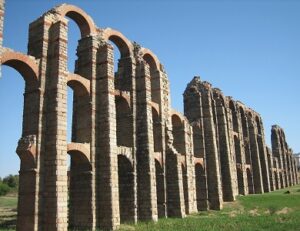
Top 10 things to see and do in Mérida
Mérida was once one of the most important Roman cities in the Iberian Peninsula. Today, it is a UNESCO World
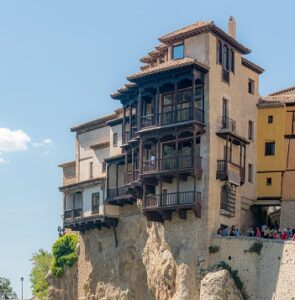
Cuenca – a UNESCO World Heritage site
Cuenca is a UNESCO world heritage site, perched on a steep promontory and is perhaps most well-known as the city
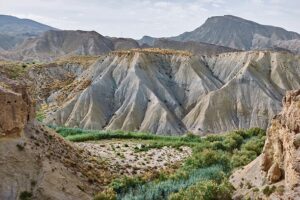
UNESCO World Heritage Sites of Andalucia
Andalucía is home to several UNESCO World Heritage Sites that are must-visit destinations for any traveller. From ancient cities and