
If you are spending more than a couple of days in Seville, Carmona is definitely a place worth visiting. Located just 30 kilometres the city—and en route to other major destinations like Córdoba—Carmona stands out as one of the most historically and architecturally significant cities in the province. Its proximity to the airport and excellent public transport links make it an easy and convenient place for visitors to reach.
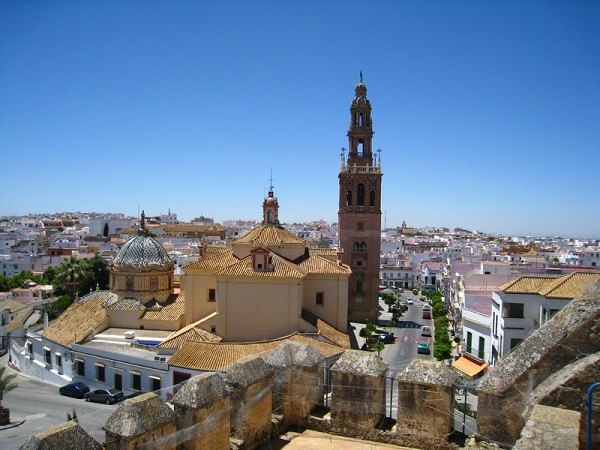
The Carmona we stroll through today has one of the longest continuous histories in the Western world. As early as the Copper Age, around 3,000 BC, people were already building simple, semi-subterranean circular dwellings in the area. Over the 5,000 years that followed, the town grew into a place where architectural styles and urban designs from every civilisation that passed through Andalusia blend seamlessly together. These cultures left behind not only remarkable buildings but also enduring traditions and customs that still shape local life. The town’s streets, countryside, monuments, festivals, and cultural expressions remain infused with the colours, flavours, sounds, and textures of this rich heritage.
Carmona’s Roman era was undoubtedly one of the high points in its long history, and the scale of the Roman legacy is still strikingly clear. The two main defensive gates—the Gates of Seville and Córdoba—which once controlled entry into the walled city, both preserve substantial Roman elements. The Gate of Seville was recently named one of the thirteen most impressive castles in Andalusia by National Geographic.
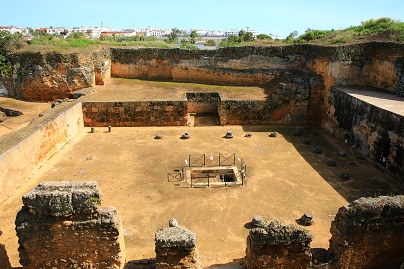
Yet the most remarkable Roman site—unique in its kind—is the Necropolis, the town’s ancient cemetery.
Carmona also enjoyed royal favour during the reign of Peter “the Cruel”. The Alcázar of the Gate of Marchena—now partly occupied by the Parador hotel—was expanded during this period and became one of the king’s preferred residences.
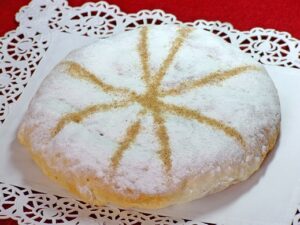 Among the city’s many attractions is the Convent of Santa Clara, a beautifully preserved Mudejar complex founded in the 15th century. Its nave features a series of paintings of archangels and saints in the style of Zurbarán. The Poor Clare nuns continue to make traditional pastries following medieval recipes, including the celebrated “English Cake”.
Santa María, Carmona’s principal church and a designated Cultural Heritage Site, incorporates arches installed in the late 12th century for the Courtyard of Ablutions (or sahn) of the old Alhama mosque, along with reused elements from earlier religious buildings. This impressive Almohad structure combines horseshoe arches on brick pillars with Roman columns and capitals to the east, and it houses a Visigothic liturgical calendar—an exceptional historical artefact and the oldest surviving Christian document in the province of Seville.
Carmona takes the protection and promotion of its heritage seriously, making culture a central pillar of its local strategy. Visitors have access to a wide range of resources designed to enrich their experience. The tourist office offers several themed routes through the city on its website, and new technologies make it easy to access audio guides, monument information, event listings, and new itineraries. Highlights include the “Carmona on Film” route, the “Literary Carmona” tour, and various environmental trails. One of the most popular is the “Cueva de la Batida Route,” which leads to the ancient quarries that supplied stone for Carmona’s historic buildings.
Throughout the year, the city hosts numerous events linked to local traditions, including Easter celebrations and the annual Fair. Other festivals showcase its heritage and cuisine, such as “Roman October,” “Tapas Month” in November, and “Heritage Month” in June.
Carmona also offers an excellent selection of hotels and restaurants, many of which proudly display certificates recognising their quality and hospitality.
Now a candidate for UNESCO World Heritage status, Carmona offers the authenticity of a traditional Andalusian town combined with all the comfort and amenities of a modern city.
Article provided by Carmona Tourist Office
Top 10 places to visit in Seville
Seville could be described as a grand city. The architects of its cathedral are famed to have said “Let’s build
Hidden gems in Seville: off the tourist track
Seville, the sun-drenched capital of Andalucía, is famed for its flamenco, tapas, and stunning Moorish architecture. While landmarks like the
10 day trips from Seville you should not miss
A visit to the city of Seville offers plenty to see, but if you have more than a few days
The vibrant fiestas of Seville: culture, tradition & joy
What truly sets Seville apart are its vibrant fiestas. These celebrations, deeply rooted in tradition, offer visitors a unique glimpse